




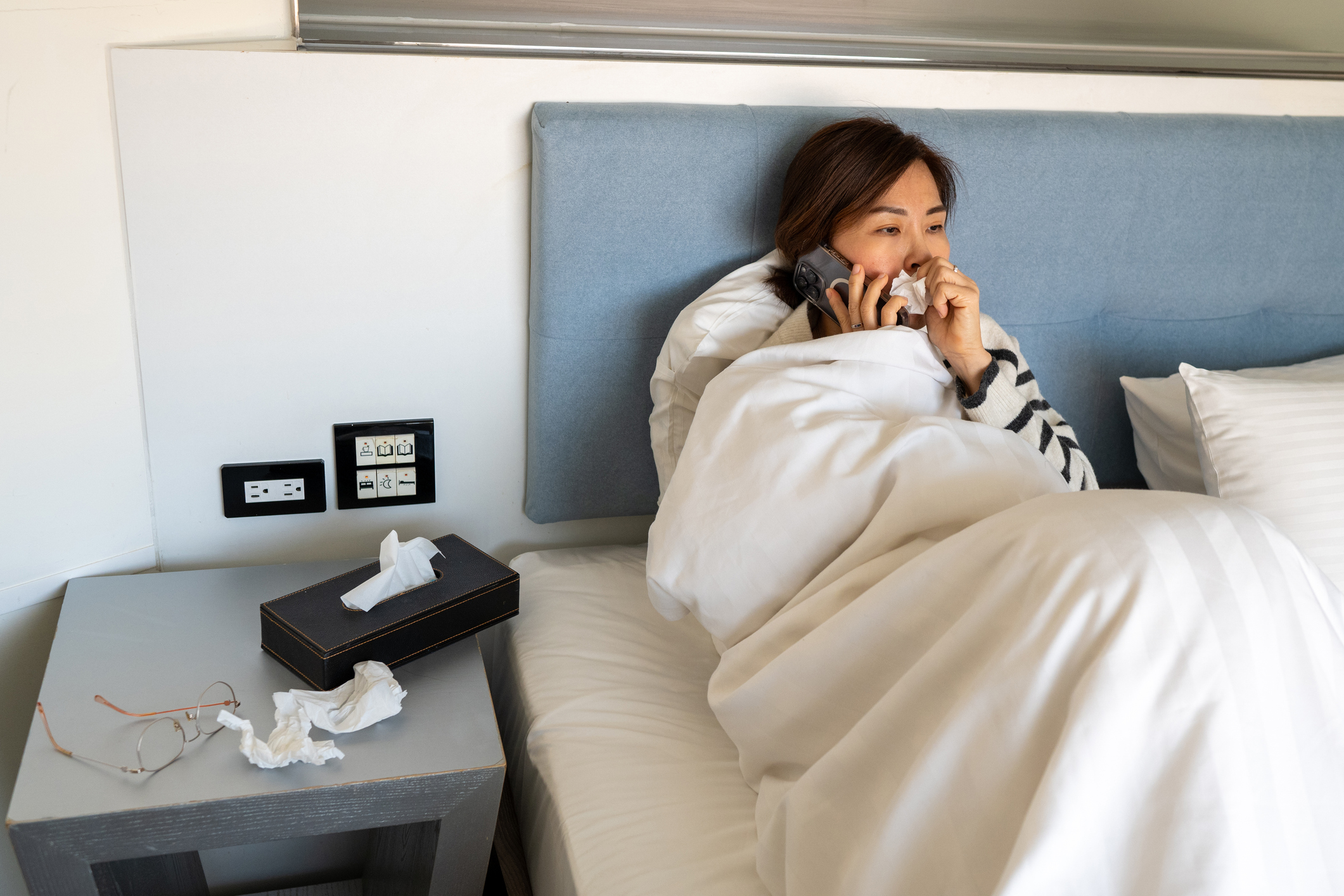
Most private-sector workers in New York have asked this question at some point, especially after a tough week or a serious health issue. The honest answer is: it depends. New York law provides real protections for employees who use lawfully requested or used protected leave, but those protections have limits, and not every termination after calling in sick qualifies as wrongful. Understanding where the line sits can make a critical difference if your job is ever at stake.
Does New York Law Protect You When You Call in Sick?
Yes. New York State and New York City law both require most private-sector employers to provide paid sick leave, and retaliation for using lawfully requested or used protected leave is illegal.
New York State’s Paid Sick Leave Law, which began accruing leave on September 30, 2020, though employees generally could not begin using it until January 1, 2021, under New York Labor Law Section 196-b, requires employers to provide between 40 and 56 hours of paid sick leave per year, depending on the size of the business. Employers with 100 or more employees must provide up to 56 hours of paid sick leave annually. Employers with 5 to 99 employees must provide up to 40 paid hours. Employers with four or fewer employees generally must provide 40 hours of leave, but the leave may be unpaid if the employer’s net income is $1 million or less.
New York City adds another layer through the New York City Earned Safe and Sick Time Act, enforced by the NYC Department of Consumer and Worker Protection. Under this law, employers with 100 or more employees must provide up to 56 paid hours, and those with 5–99 employees must provide up to 40 paid hours. Employers with 1–4 employees and at least $1 million in business earnings receive up to 40 hours of paid protected time off, while employers with 1–4 employees and less than $1 million generally provide unpaid protected time off. NYC also provides 32 hours of unpaid protected time off in specified circumstances.
The key protection: an employer cannot retaliate against you for using leave you lawfully earned. Retaliation may include termination, demotion, schedule reduction, or other adverse employment actions when connected to protected leave.
How Many Sick Days Can You Take Before Your Employer Can Fire You?
There is no single number. Employers can set attendance policies, but those policies cannot override your statutory sick leave rights or any applicable disability protections.
New York is an at-will employment state, which means an employer can generally terminate a worker for any reason or no reason, but not for exercising protected leave rights, requesting an accommodation, discrimination, or any other prohibited reason. Using lawfully accrued sick leave is a protected activity. If your employer fires you specifically because you used sick days you were entitled to under state or city law, that termination may be unlawful.
That said, attendance policies still matter. If you exhaust your protected sick leave and continue missing work, your employer may have grounds for termination. However, exhausting statutory sick leave does not automatically end all protection—the employer may still need to consider FMLA leave, disability accommodations, pregnancy-related protections, workers’ compensation, or other laws (for instance, the ADA may require additional unpaid leave as an accommodation unless it creates an undue hardship). The situation becomes more complicated when a serious medical condition is involved, because separate laws may then apply.
When Does a Medical Condition Change the Picture?
A serious health condition may trigger federal or state protections beyond standard sick leave, including FMLA job protection and disability accommodation requirements.
The federal Family and Medical Leave Act (FMLA) allows eligible employees to take up to 12 weeks of unpaid, job-protected leave per year for a serious health condition. To qualify, you must have worked for your employer for at least 12 months, logged at least 1,250 hours in the past year, and work at a location where the employer has 50 or more employees within 75 miles. and work for a covered employer, generally a private employer with at least 50 employees in 20 or more workweeks, a public agency, or a qualifying school.
New York Paid Family Leave generally does not cover an employee’s own serious health condition. It is primarily available for bonding with a new child, caring for a family member with a serious health condition, or certain military-family needs. An employee’s own medical condition may instead qualify for New York sick leave, FMLA leave, disability benefits, or reasonable accommodation under the ADA or New York Human Rights Law. Beyond leave laws, the New York State Human Rights Law, which covers all employers, and the Americans with Disabilities Act, which generally applies to employers with 15 or more employees, both require covered employers to provide reasonable accommodations to employees with qualifying disabilities. If an employer knows or has reason to know that an employee has a qualifying disability and needs accommodation, a pattern of sick days may trigger a duty to engage in the interactive process and to accommodate rather than terminate.
What If You Are Being Punished for Calling in Sick?
Document everything. If your employer retaliates against you for using protected sick leave, you may have a valid legal claim.
Warning signs of retaliation include being written up only after you used sick leave, being passed over for a promotion that went to someone with a worse performance record, or being fired shortly after returning from a medical absence. Timing may be evidence, but additional facts are usually needed to prove retaliation, such as inconsistent policy enforcement or statements by supervisors.
Under New York Labor Law Section 196-b, employees who believe their employer violated their sick leave rights can file a complaint with the New York State Department of Labor. NYC workers can file separately with the NYC Department of Consumer and Worker Protection. These agencies and courts have the authority to investigate, impose fines or civil penalties, and order remedies, which may include reinstatement and back pay, depending on the statute and forum.
Brooklyn Workers: Local Considerations
Brooklyn workers are covered by both the New York State Paid Sick Leave Law and the NYC Earned Safe and Sick Time Act. If you work in Brooklyn and were terminated, disciplined, or otherwise penalized after using sick leave, both city and state law may be on your side.
Brooklyn is part of the Kings County court system, and employment-related civil claims may be pursued in New York State Supreme Court, Kings County, or through administrative channels such as the NYSDOL, NYC DCWP, New York State Division of Human Rights, EEOC, or federal court, depending on the nature of the claim. An attorney familiar with both city and state employment law can help you evaluate the proper venue and strategy.
Talk to an Employment Attorney Before You Assume You Have No Case
If you were fired or penalized after calling in sick, do not assume your employer was within their rights. Many employees walk away from valid legal claims simply because they did not know the law applied to them.
The Law Office of Vincent Miletti, Esq. represents workers across Brooklyn and the surrounding area in employment law matters, including wrongful termination and sick leave retaliation claims. If you believe your employer crossed a legal line, reach out to the firm at 609-293-5928 or contact us to discuss what happened and what options may be available to you.
