




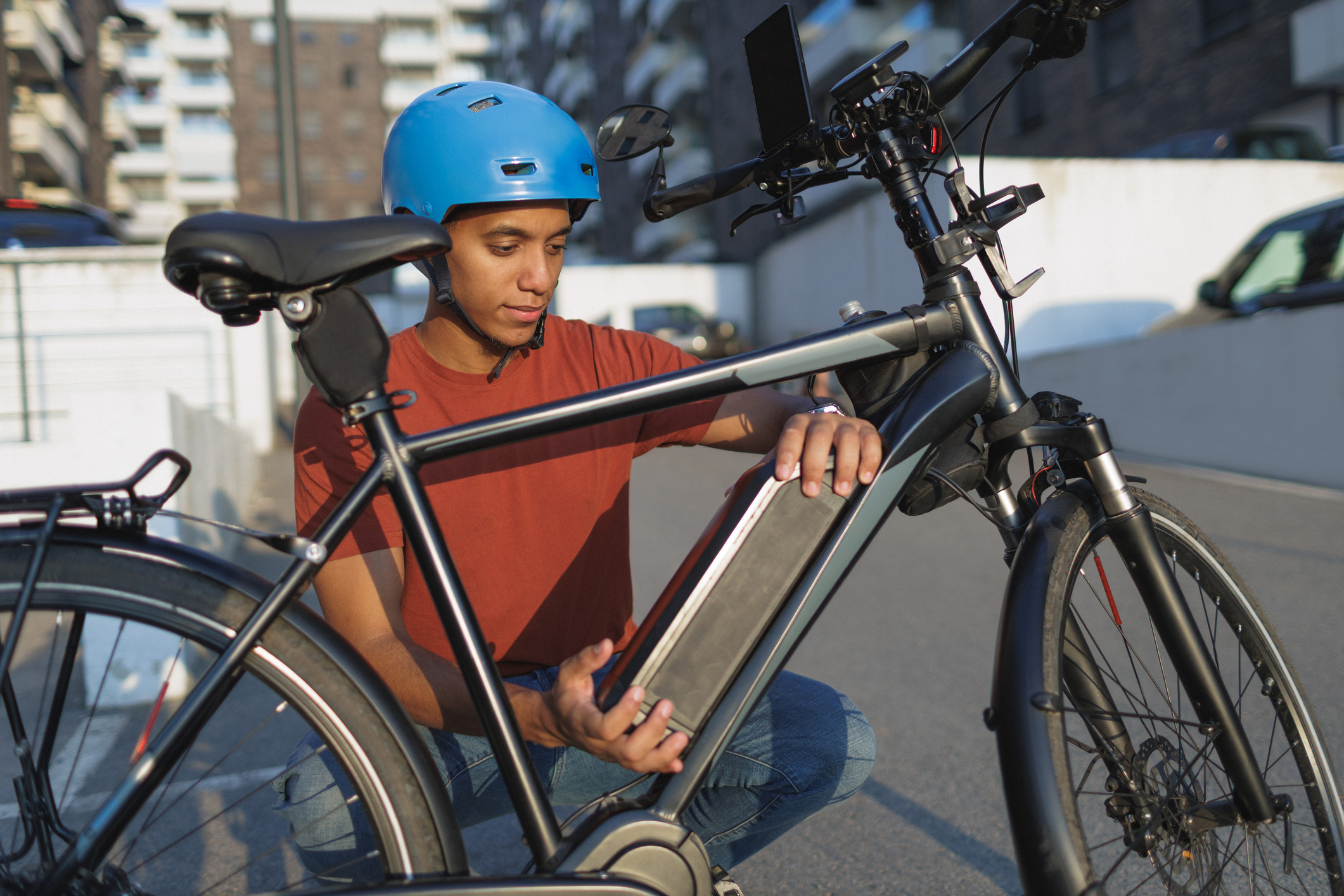
Brooklyn has seen a sharp increase in e-bike battery fires over the past several years. These fires have burned through apartments, injured families, and in some cases, turned deadly. If you or someone you love has been hurt in an e-bike battery fire, understanding who bears legal responsibility is the first step toward recovering what you’ve lost.
Why Are E-Bike Batteries So Dangerous?
Lithium-ion batteries in e-bikes can overheat rapidly, causing fires that spread within seconds, leaving little time for escape or damage control.
Most e-bikes rely on lithium-ion battery packs to power their motors. These batteries store a large amount of energy in a compact space. When they malfunction, overheat, or are improperly manufactured, they can enter a state called thermal runaway, a chain reaction that generates intense heat and fire almost instantly.
In New York City, the problem has grown severe. Lithium-ion battery fires have emerged as one of the city’s deadliest fire hazards, particularly in peak years like 2023. According to the FDNY’s public data, e-bike and e-scooter battery fires have caused hundreds of injuries and notable fatalities across recent years, including 18 deaths during the 2023 surge. Brooklyn, with its dense residential buildings and busy delivery corridors, has been hit especially hard.
What New York Law Says About Product Liability
Under New York law, injured consumers may hold manufacturers, distributors, and sellers liable when a defective product causes harm.
New York follows a strict products liability doctrine, which means a manufacturer or seller can be held responsible for a defective product even without proof of negligence. Courts in New York apply this rule under long-established case law rooted in the Court of Appeals decision in Codling v. Paglia, 32 N.Y.2d 330 (1973), which confirmed that strict liability applies to defective products that cause personal injury.
There are three main theories of product defect:
- Manufacturing defect: The battery was assembled incorrectly or with substandard materials.
- Design defect: The battery’s underlying design is inherently unsafe, even when built as intended.
- Failure to warn: The manufacturer did not provide adequate instructions or safety warnings about battery charging, storage, or known risks.
Any one of these theories, if proven, can form the basis of a valid claim in New York.
Who Can Be Held Liable After an E-Bike Fire?
Multiple parties in the supply chain, from the battery manufacturer to the local retailer, can share liability under New York’s strict products liability rules.
Liability in an e-bike battery fire case rarely falls on just one party. The chain of responsibility can include:
- The battery manufacturer, particularly if the cells were defective at the point of production
- The e-bike manufacturer, if the bike’s design contributed to overheating
- An importer or distributor who brought a non-compliant product into the U.S. market
- A local Brooklyn retailer or online seller who sold the product without proper safety documentation
New York City has enacted Local Law 39 of 2023, which prohibits the sale of e-bikes and e-scooters with batteries that do not meet UL certification standards, such as UL 2849 for e-bikes, UL 2272 for e-scooters, and UL 2271 for battery packs. Sellers who violate this law and whose non-compliant products cause injury face significant civil exposure. If a retailer sold you an uncertified battery or device, that fact alone can be powerful evidence in your case.
Premises Liability and Building Owners
Brooklyn landlords and building owners may also face liability if they failed to address known e-bike fire hazards in common areas or storage spaces.
In dense Brooklyn neighborhoods, many tenants store e-bikes in hallways, basements, and building entryways. Under New York Real Property Law and general negligence principles, property owners have a duty to maintain safe conditions on their premises. If a landlord knew or should have known that tenants were charging e-bikes in unsafe conditions, such as ignoring clear, repeated safety violations in common areas and failing to act reasonably, they may bear partial responsibility for resulting fires and injuries. However, liability is not automatic and depends on proving notice, control, and a failure of reasonable care.
This can be especially relevant in multi-unit buildings, where a fire in one apartment or common area can cause damage to multiple units.
Damages You May Be Entitled to Recover
Victims of e-bike battery fires may seek compensation for medical bills, lost income, destroyed property, and pain and suffering under New York law.
New York law allows injured parties to pursue both economic and non-economic damages. Economic damages include hospital and rehabilitation costs, lost wages during recovery, and the cost of replacing destroyed property, such as furniture, electronics, or the building itself. Non-economic damages address the physical pain, emotional trauma, and reduced quality of life that often follow a serious burn injury or displacement from your home.
If a loved one died in an e-bike battery fire, New York’s Estates, Powers and Trusts Law section 5-4.1 provides a cause of action for wrongful death, allowing eligible family members to recover for financial losses Pecuniary damages under New York wrongful death law are limited to financial losses to distributees; compensation for the deceased person’s conscious pain and suffering must be sought separately through a survival action brought by the estate under EPTL § 11-3.2.
Steps to Take After an E-Bike Battery Fire in Brooklyn
Acting quickly after a fire protects both your health and your legal options. The statute of limitations for personal injury claims in New York is generally three years from the date of injury under CPLR section 214, but evidence disappears fast. Take these steps:
- Seek immediate medical attention, even for injuries that seem minor.
- Preserve the damaged e-bike, battery, and charger if it is safe to do so
- Photograph all property damage and document the scene before cleanup.
- Request copies of the FDNY fire report and any building inspection records
- Avoid giving recorded statements to insurance companies before consulting an attorney.
How The Law Office of Vincent Miletti, Esq Can Help
The Law Office of Vincent Miletti, Esq, represents Brooklyn residents and families who have suffered injuries and property losses in e-bike battery fires. Our firm understands the complexity of product liability cases in New York and is prepared to investigate every link in the supply chain to identify who is responsible for your losses.
If you are ready to discuss what happened and explore your legal options, contact us or call us at 609-293-5928. You should not face the aftermath of a preventable fire alone.
